
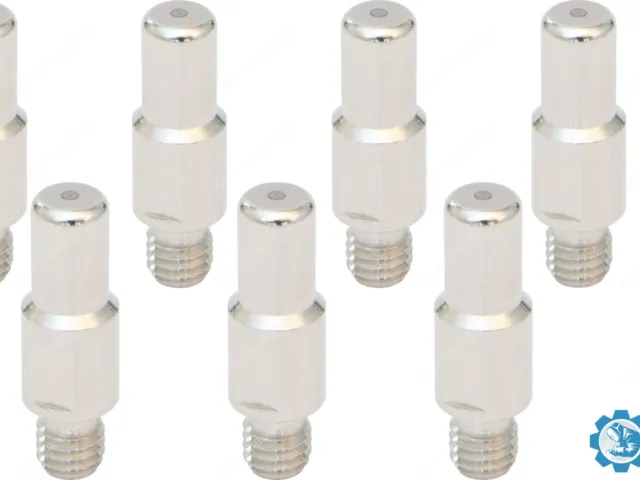

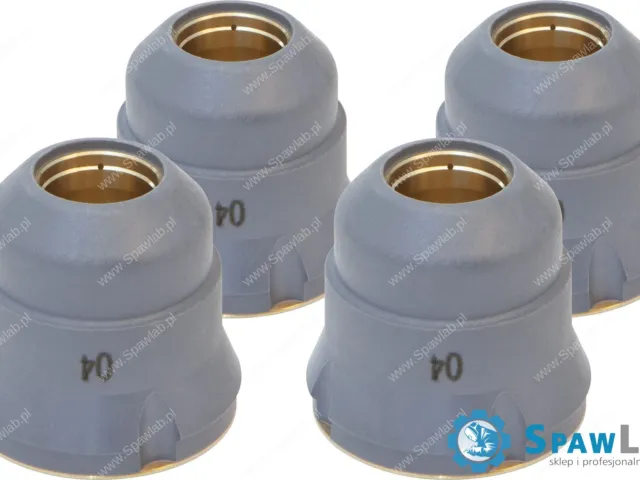
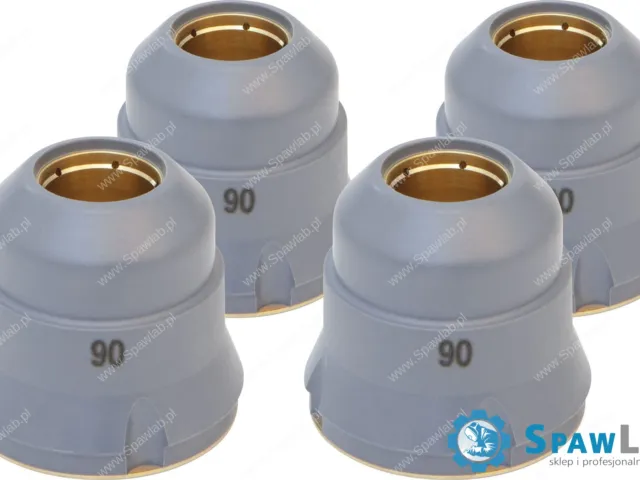
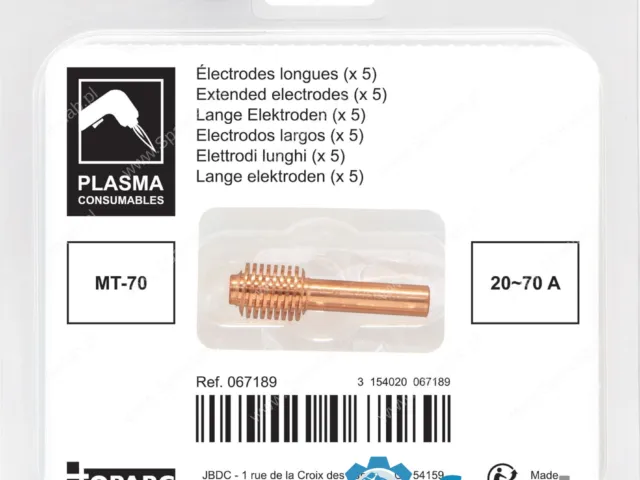
The electrode and the nozzle form a pair and are replaced together. The electrode has a hafnium insert in its face that burns away with every start. Once the pit exceeds about 1 mm the arc stops holding its axis, and within minutes it burns out the nozzle and damages the shield. Working on a worn electrode is the most expensive way to save on parts.
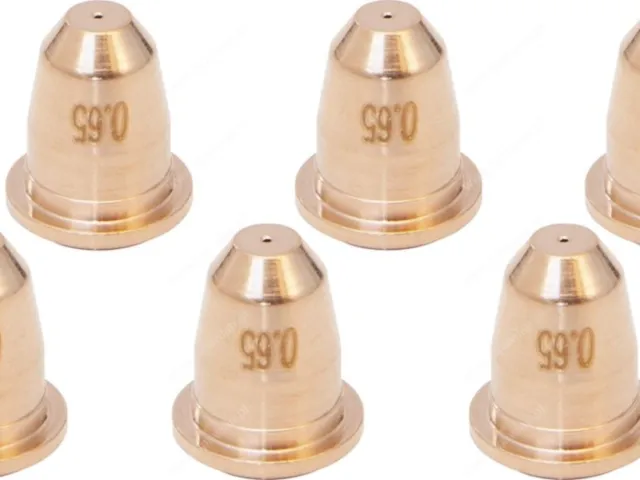
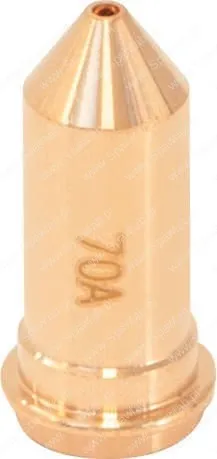
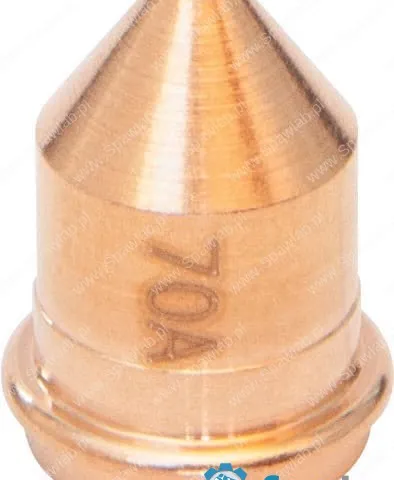
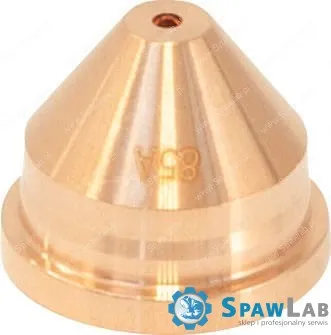
Match the nozzle to the current. The nozzle bore is calculated for a specific amperage, so a 45 A nozzle on a machine set to 85 A burns out after a dozen or so cuts, while an 85 A nozzle at 45 A gives a wide kerf and heavy dross. Check the current marking stamped on the nozzle, not just the bore.
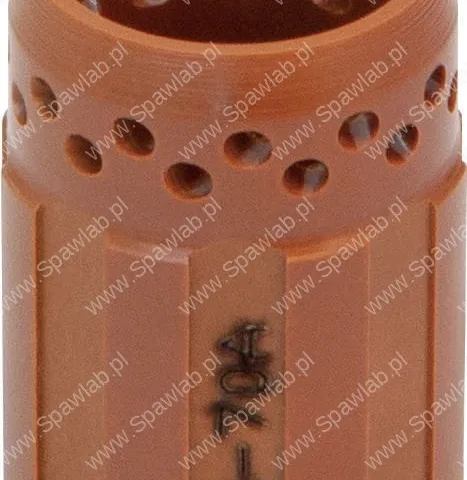
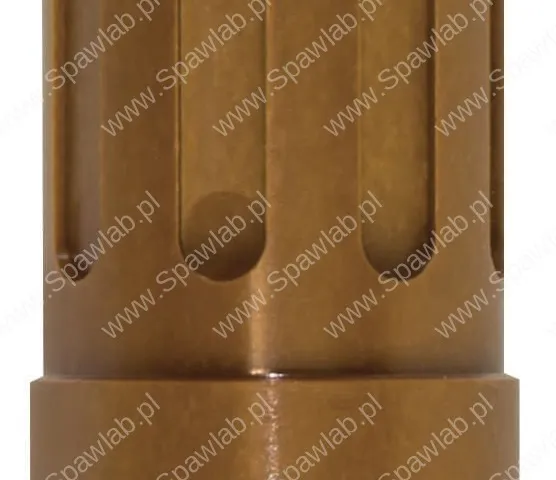
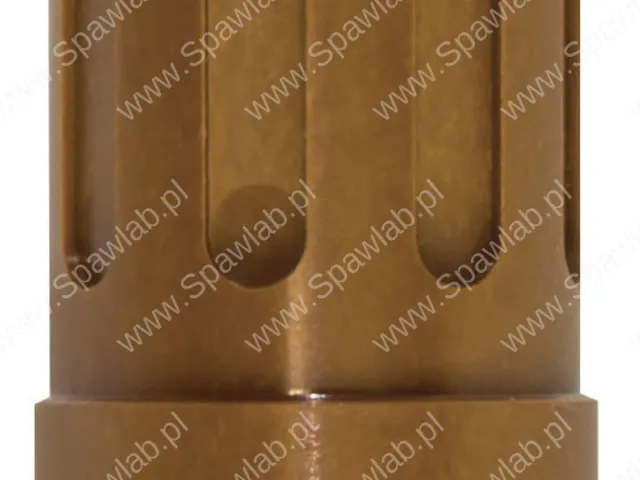
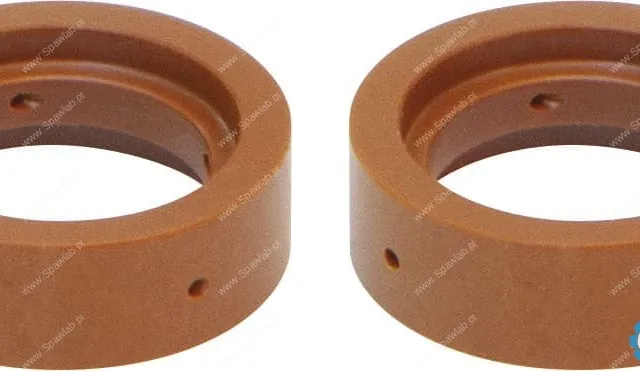
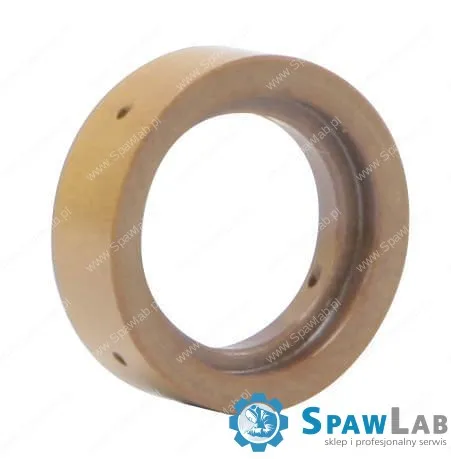
The swirl ring spins the gas stream and constricts the arc. It is made of plastic and cracks from overheating, and once damaged it gives an angled kerf that no setting will correct. Replace it every few sets of electrode and nozzle.
Air quality decides the life of the whole set. Moisture and oil cause double arcing, which burns the nozzle from the inside within seconds. Use a filter with a water separator, add a dryer for longer runs, and hold the pressure recommended by the torch maker, usually 5 to 6 bar.