
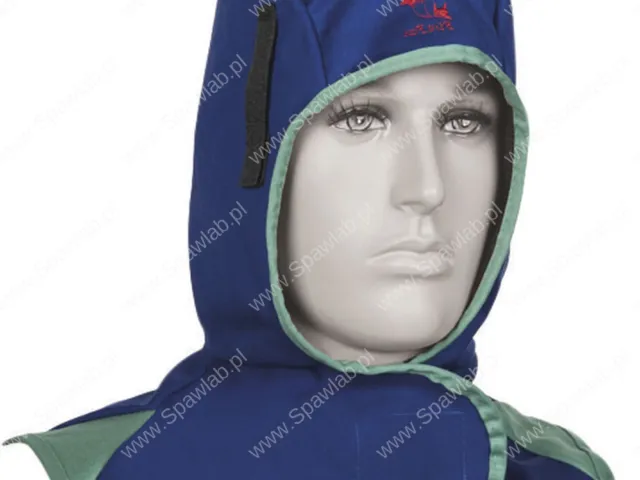
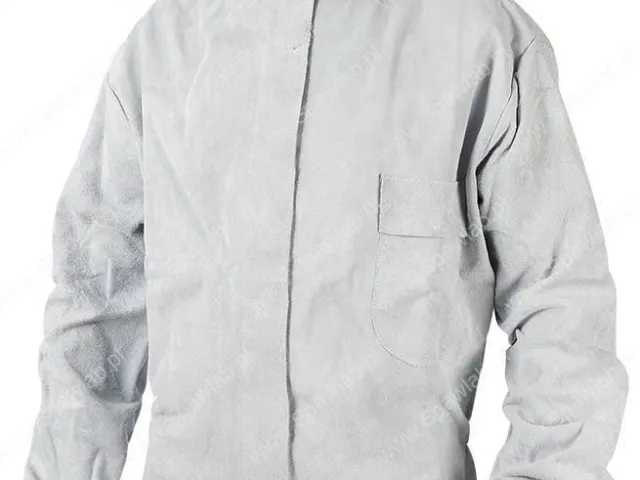
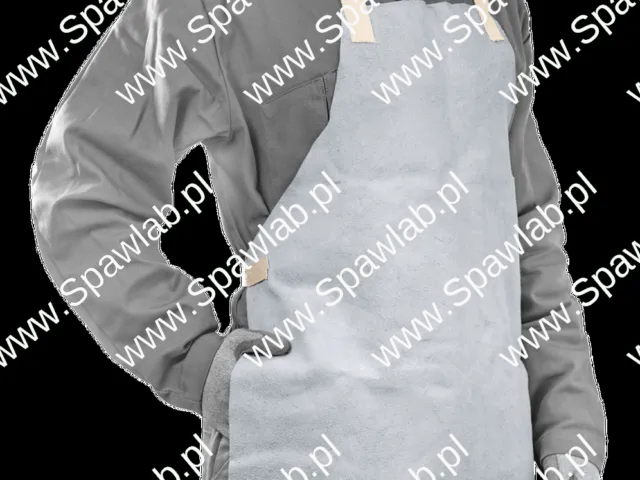
Welding clothing is selected to EN ISO 11611, which splits it into two classes. Class 1 covers work with limited spatter, for example TIG and MIG on thin sheet. Class 2 is required with heavy spatter, with rutile MMA electrodes, with gouging and with positional welding where sparks fall on the operator.
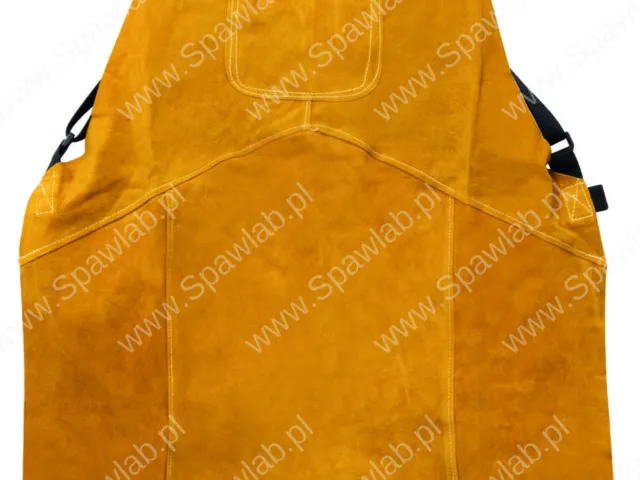
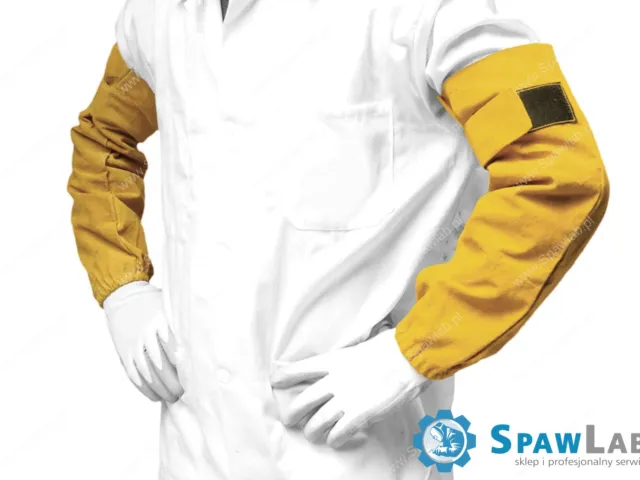
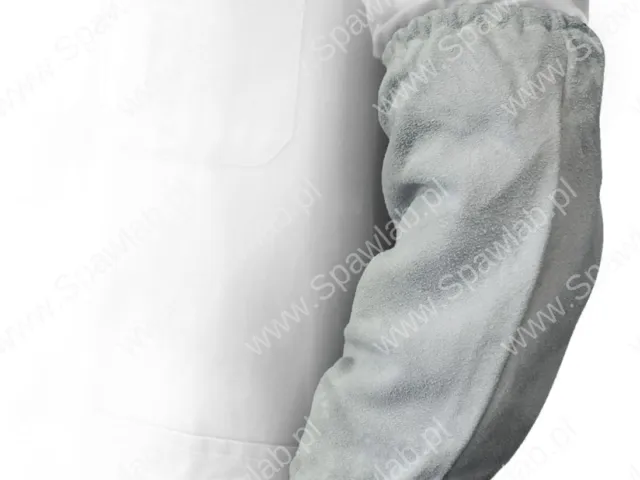
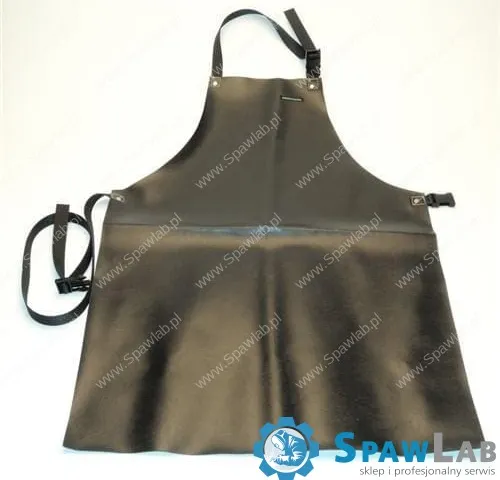
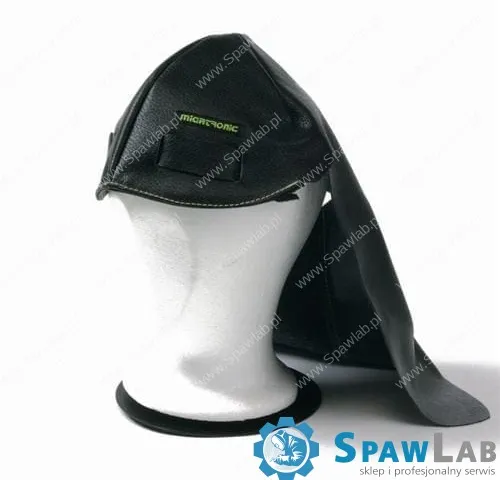
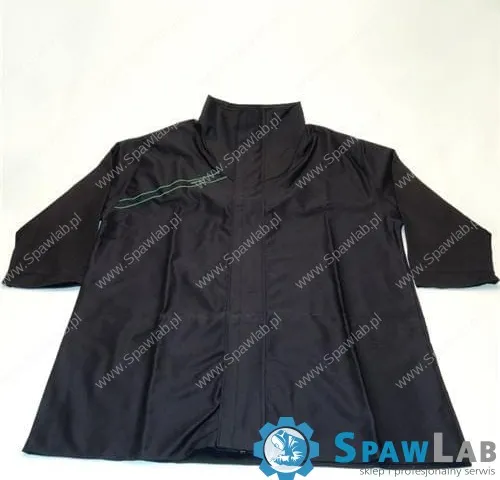
The material follows the conditions. Split leather takes spatter and radiant heat best but is heavier and less breathable. Flame retardant treated cotton is lighter and more comfortable all day, but wears faster where it meets hot metal. A common answer is a fabric jacket with leather sleeves and front.
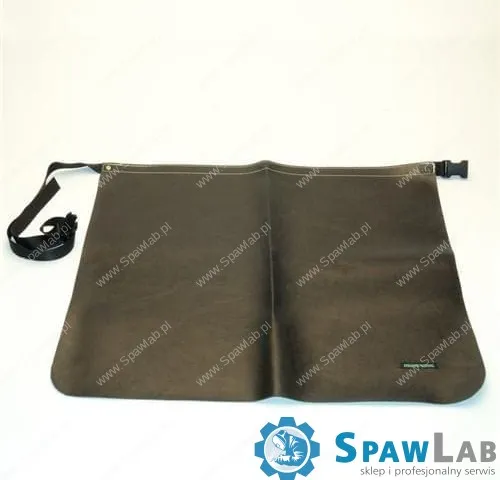
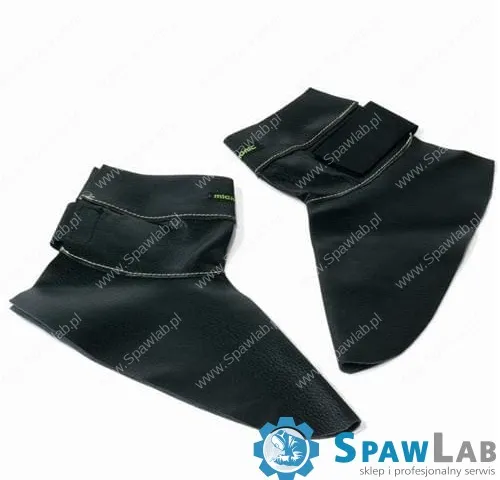
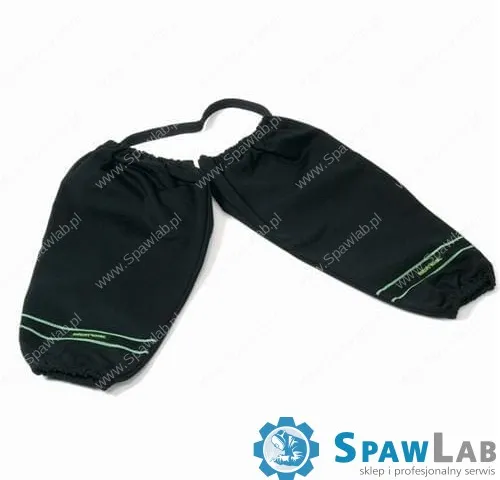
Partial protection makes sense where a full jacket gets in the way. Sleeves with a bib protect forearms and chest at the bench, spats cover boots and ankles in flat position work where spatter falls vertically, and knee pads save your joints when welding on the floor.
Watch the fit and the condition. Clothing should overlap gloves and boots with no bare skin when your arms are raised. Burnt holes and hardened, scorched areas do not protect but conduct heat, so replace an item as soon as the structure of the material changes.
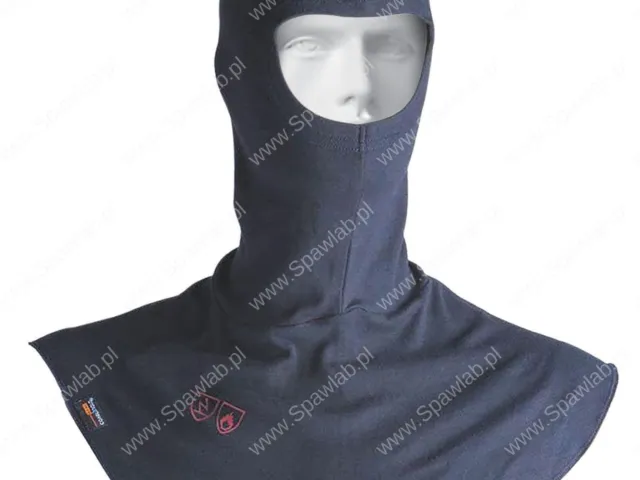
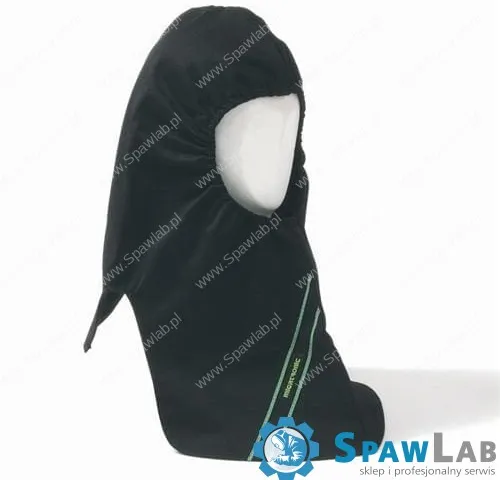
Do not wash flame retardant clothing with fabric softener and do not starch it, as such agents reduce the treatment.