

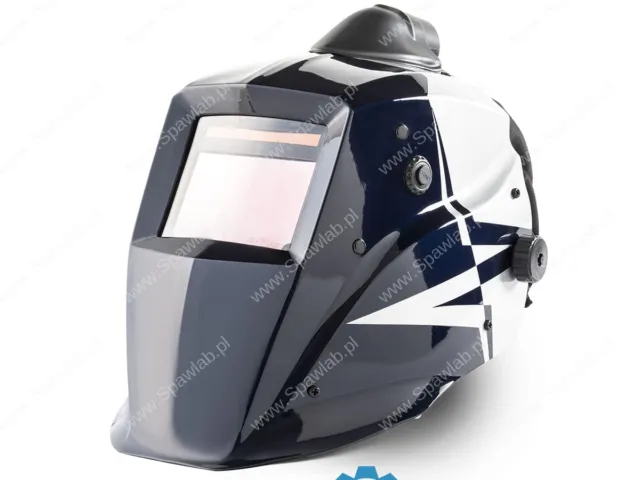
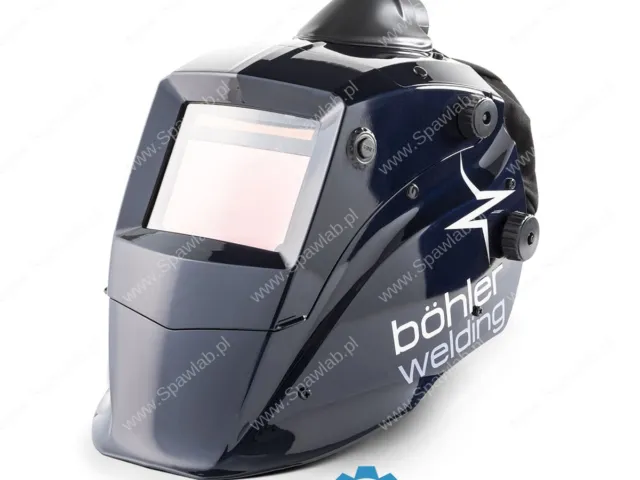
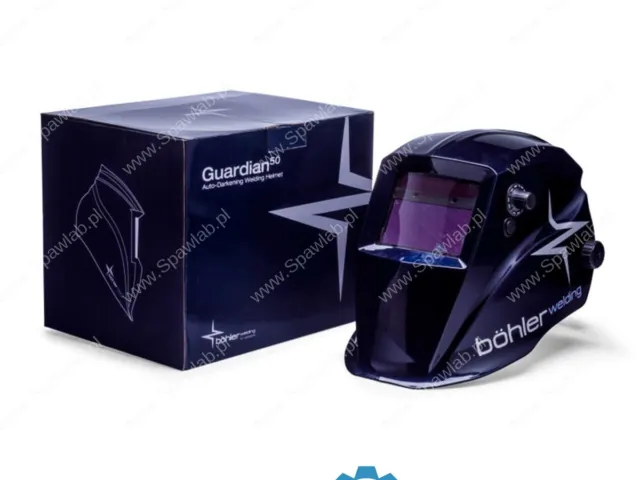
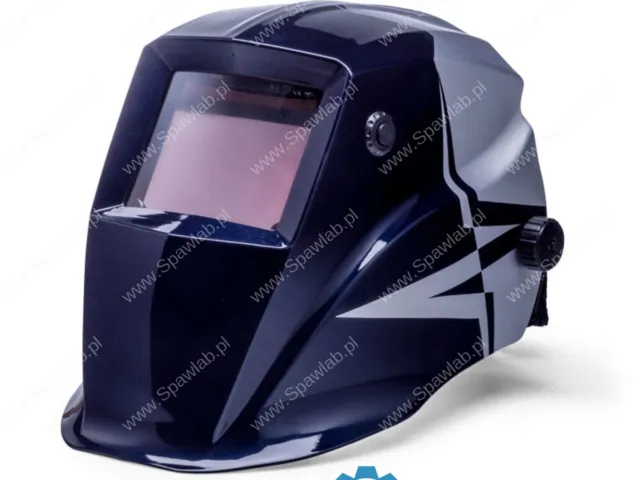
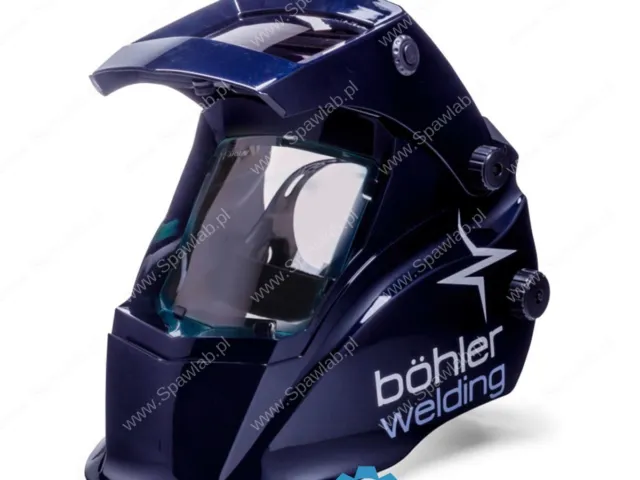
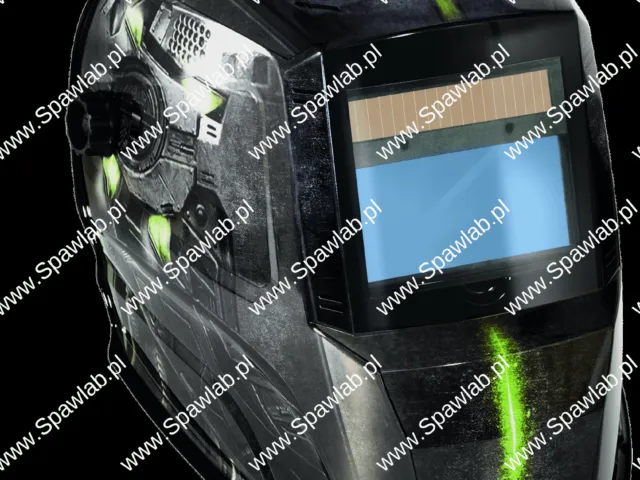
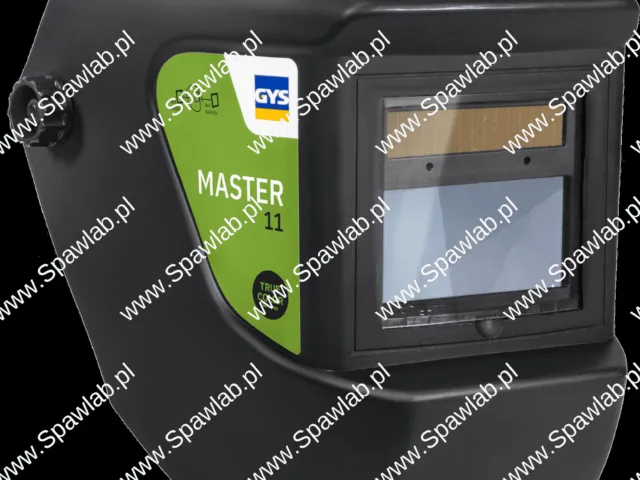
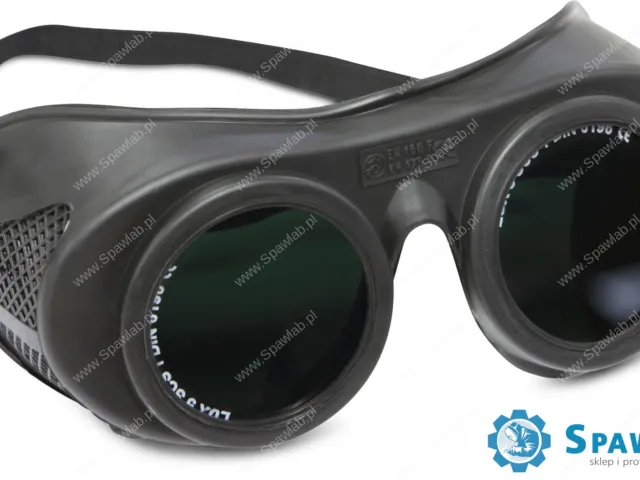
When choosing a helmet look at four things. First is the optical class to EN 379, described by four digits such as 1/1/1/1. They stand for image quality, light diffusion, uniformity and angular dependence, and the lower the digit the better. A filter of 1/1/1/2 or better is suitable for a full day of work.
Second is the switching time. Good filters change in under 0.1 milliseconds, cheap ones can take 0.5 milliseconds, which you feel in your eyes after eight hours as burning and watering.
Third is the shade range matched to the process. For TIG at low currents you need DIN 9 to 10, for MIG/MAG at 200 A DIN 11 to 12, for plasma cutting and currents above 300 A DIN 12 to 13. A filter that is too dark at low current makes you lean over the pool, which means more fume at your face.
Fourth is the number of arc sensors. Two are enough for work straight ahead, four are needed for positional welding and restricted access, for example inside a structure. For TIG below 10 A check whether the filter detects such an arc at all.
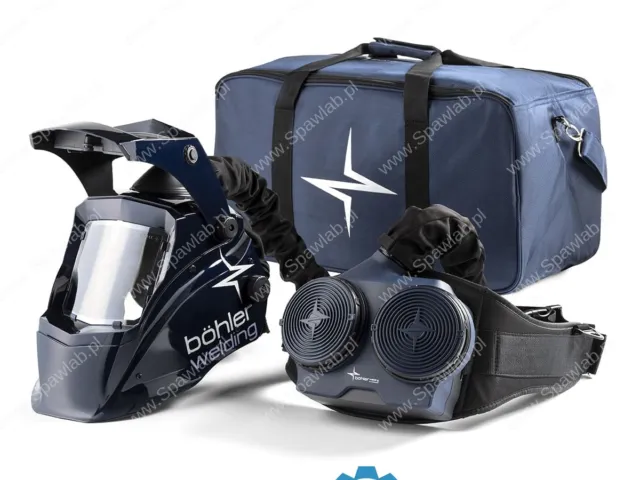
For heavy fume consider a helmet working with a powered air system. Filtration from a belt mounted unit lowers dust at the face and cools at the same time.