
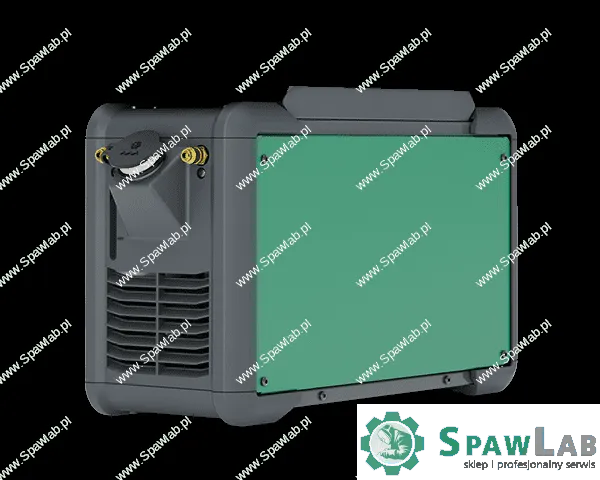

Choose a cooler for its cooling power and the type of pump. For a 400 A MIG torch a cooler of about 1 kW at a 10 degree temperature difference is enough, mechanised work and long leads call for more. Centrifugal pumps run more quietly but do not tolerate running dry. Gear pumps give higher pressure, around 3 to 4 bar, and cope better with interconnecting leads longer than 5 m.
A flow sensor is not an extra. Without one an air locked circuit will burn out a torch in a dozen or so seconds. Choose the coolant as the maker instructs, usually a mixture of demineralised water and propylene glycol. Plain tap water leaves scale in the torch channels, and automotive coolant can attack the seals.
You match the wire feeder to the diameter, the material and the lead length. Two rollers are enough for solid wire of 0.8 and 1.0 mm with a torch up to 3 m. Four rollers are essential with aluminium, flux-cored wires and interconnecting leads. Check as well whether the feeder has a heated gas regulator and a cold inch function that runs wire without gas and without current.
A trolley is a matter of safety, not convenience. A 40 litre cylinder weighs over 60 kg when full, so the trolley has to have a chain or a strap and a stable wheel track. For the workshop choose solid wheels, for site work pneumatic ones, because they will roll over rubble.
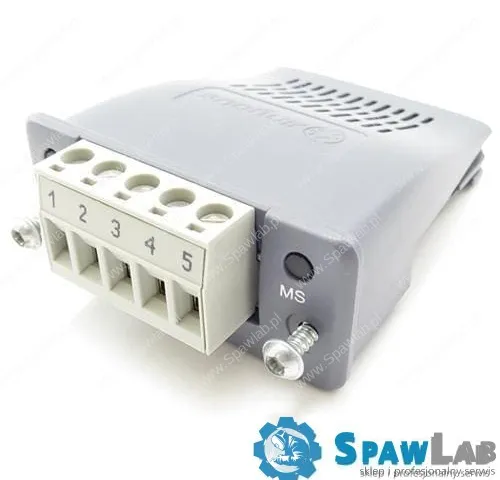
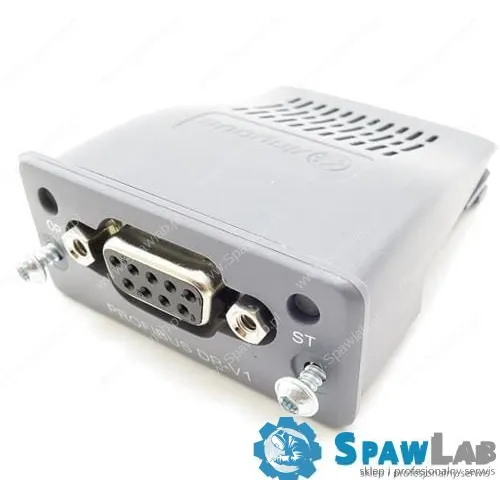
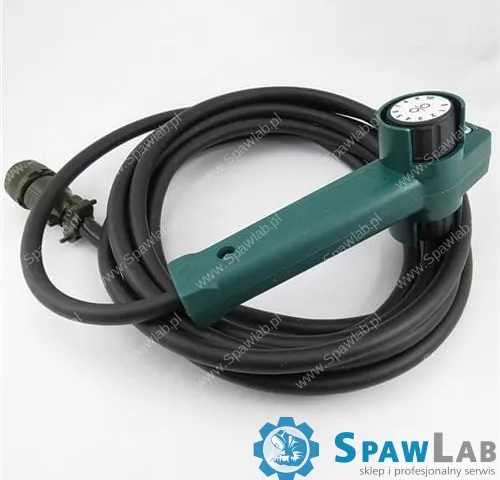
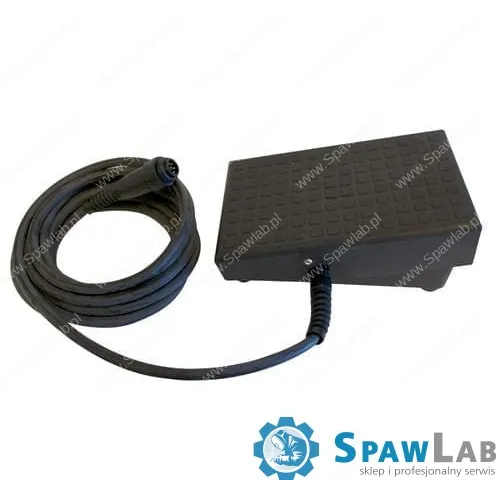
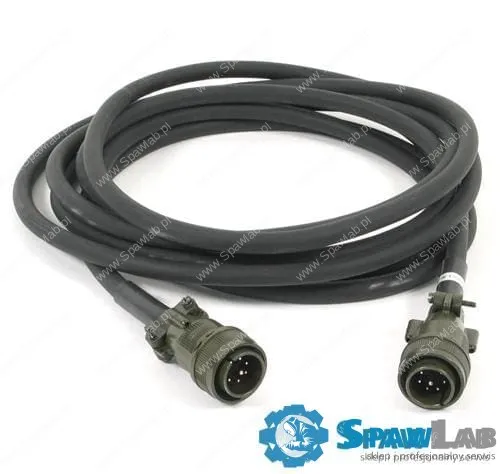
In the listings we state which machine families an item fits and what connector it has, so there are no surprises at the moment of connection.