


Gas is chosen for the material and the process. For mild steel in MIG/MAG the standard is the M21 mixture, that is 82 percent argon with 18 percent CO2, which gives a calm spray arc and little spatter. Pure CO2 is cheaper and gives deeper penetration, but more spatter and a rougher weld face. On stainless steel, mixtures of argon with 2 to 3 percent CO2 or with oxygen are used, on aluminium pure argon, and on heavy sections argon with helium added. For TIG always pure argon, and on duplex steels sometimes argon with nitrogen added.
Flow is set according to the gas nozzle diameter. A simple rule: the litres per minute roughly equal the nozzle diameter in millimetres. A 12 mm nozzle means about 12 litres per minute. Too little flow causes porosity, too much draws in air through turbulence and causes porosity as well. When working in a draught, put up a wind screen rather than raising the flow without limit.
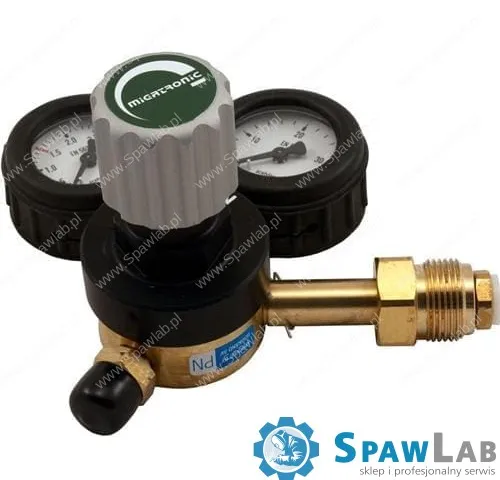
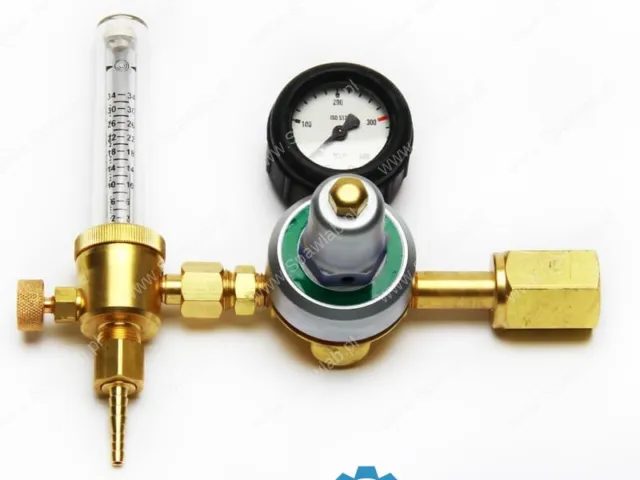
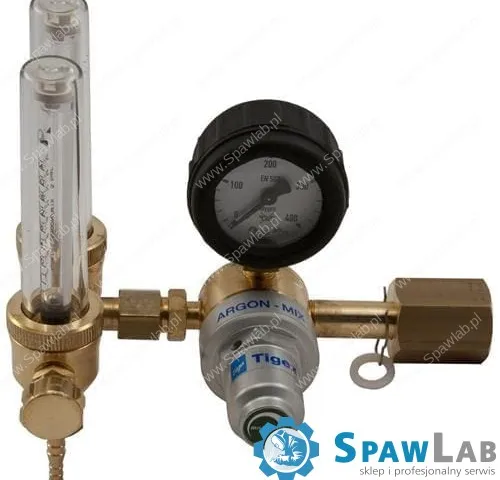
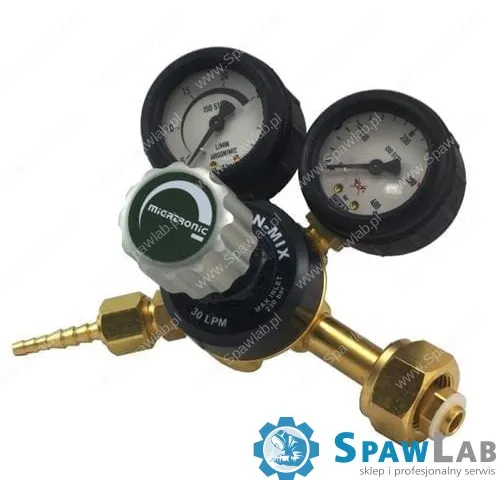
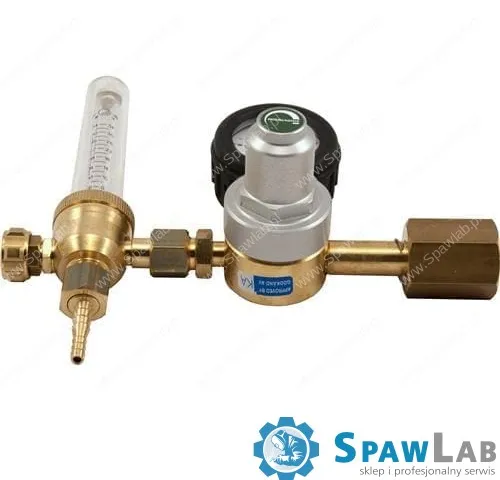
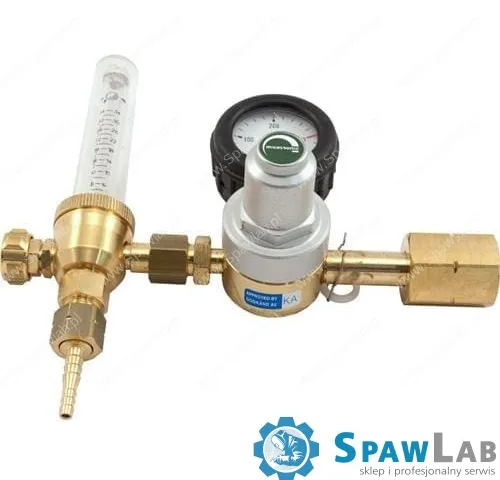
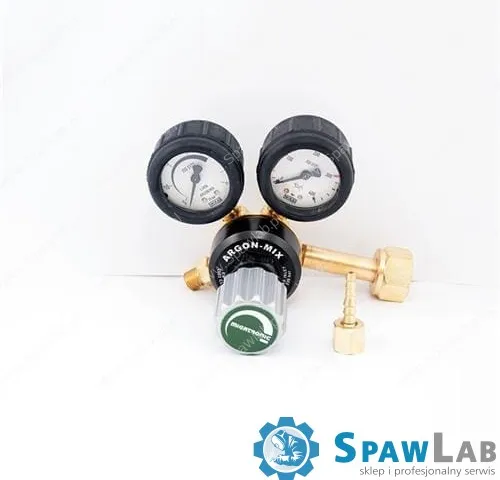
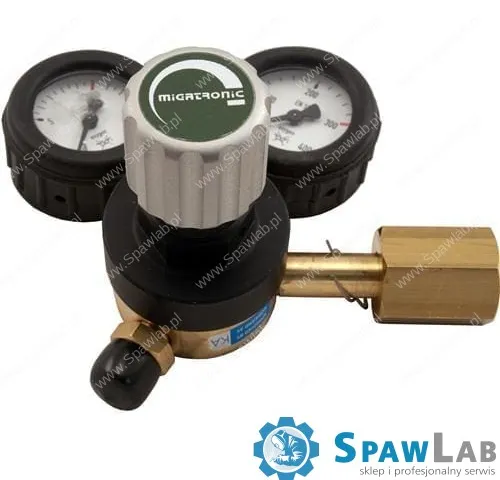
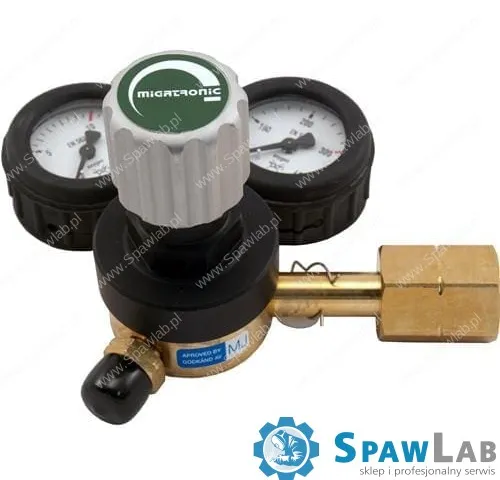
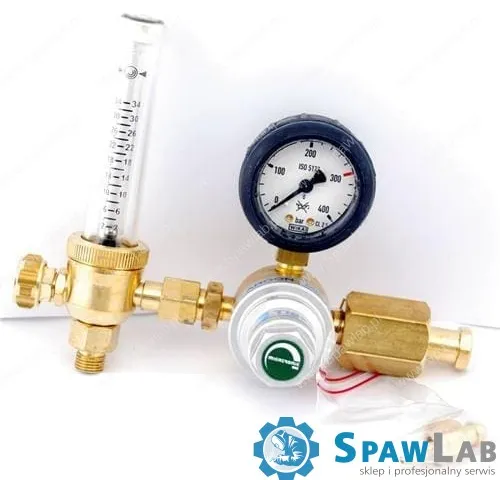
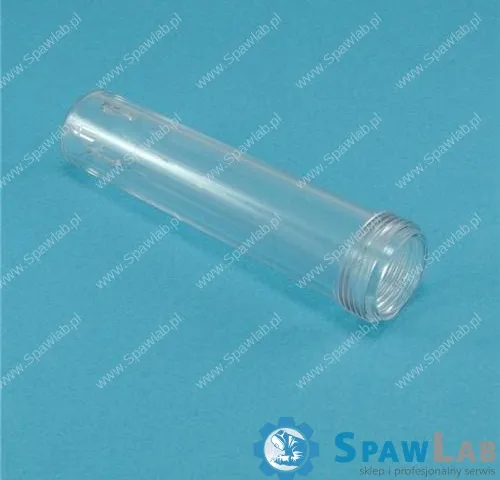
A regulator with a float flowmeter shows the real flow and is more convenient in the workshop. A regulator with a pressure gauge flowmeter takes knocks better and stands up to site conditions.
With CO2 you need a heater, usually 36 V fed from the machine, because expanding carbon dioxide chills the regulator and frost blocks the orifice.
Choose the gas hose for the gas and the pressure, and use metal clips. An ordinary worm drive clip on an argon hose starts to leak after a few months, and that means porosity again.