
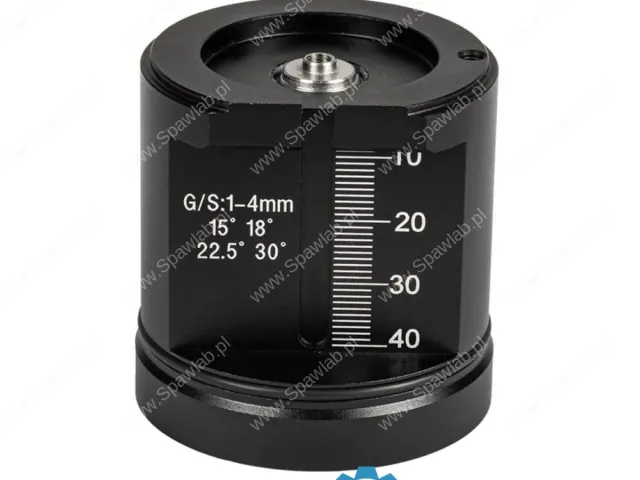
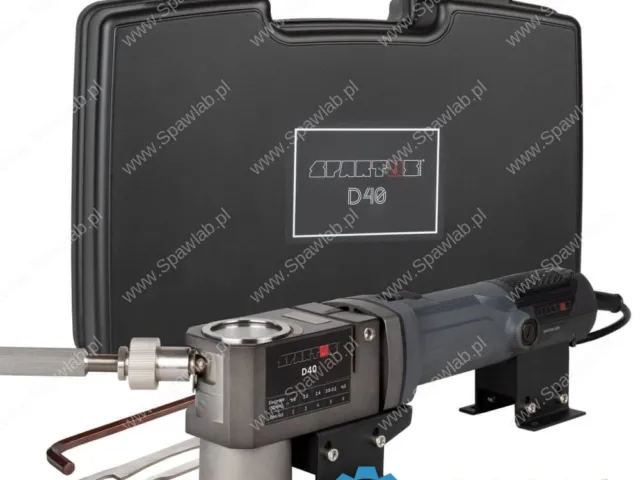
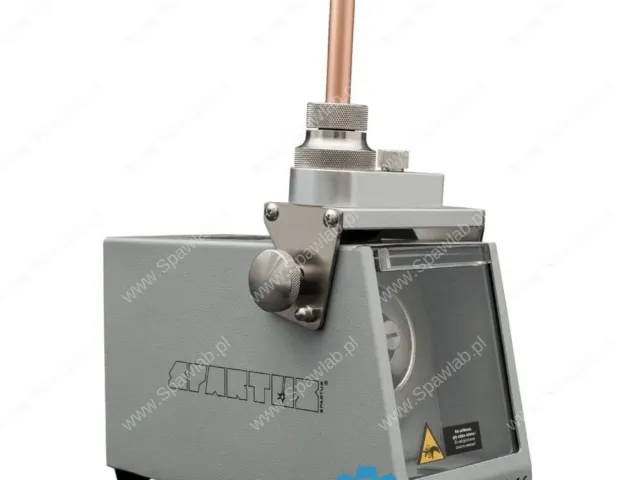
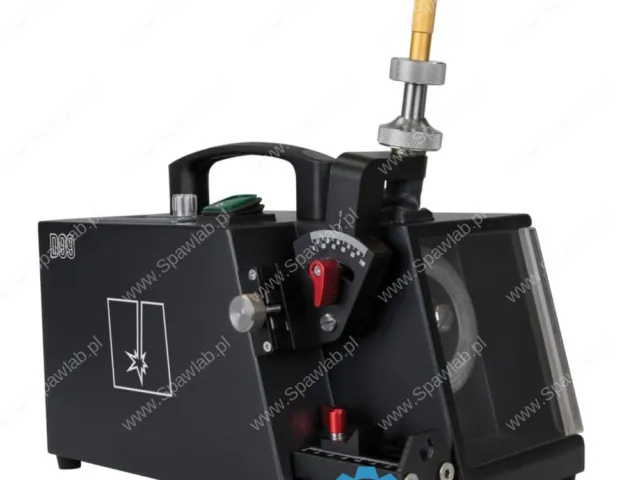
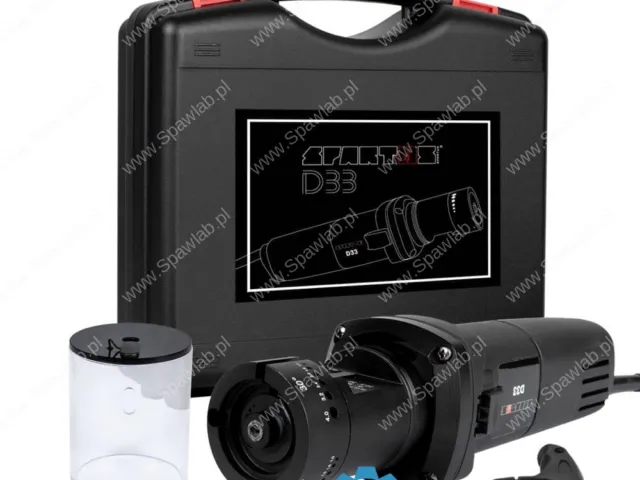
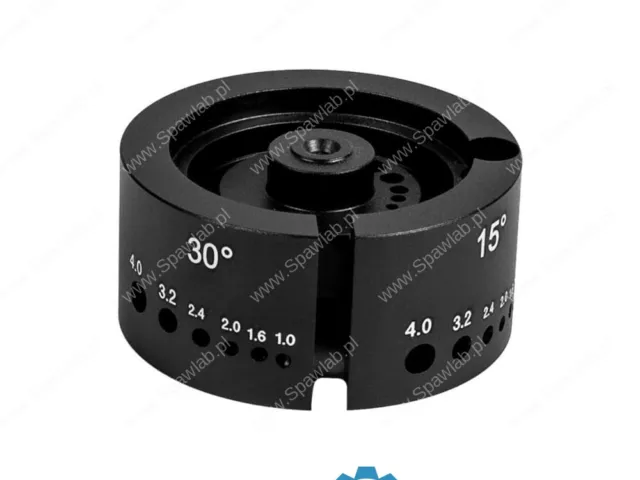
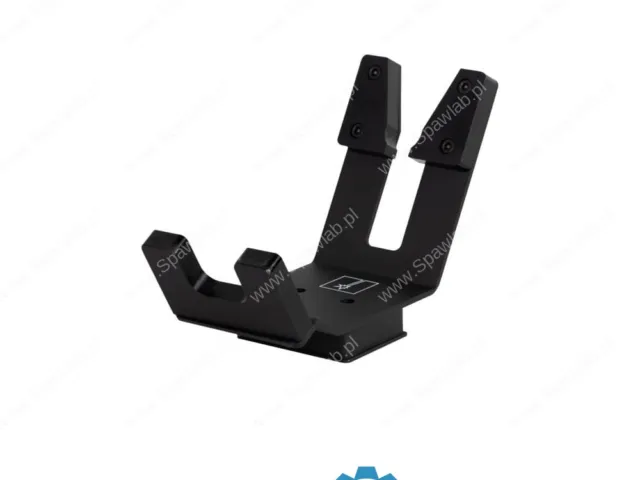
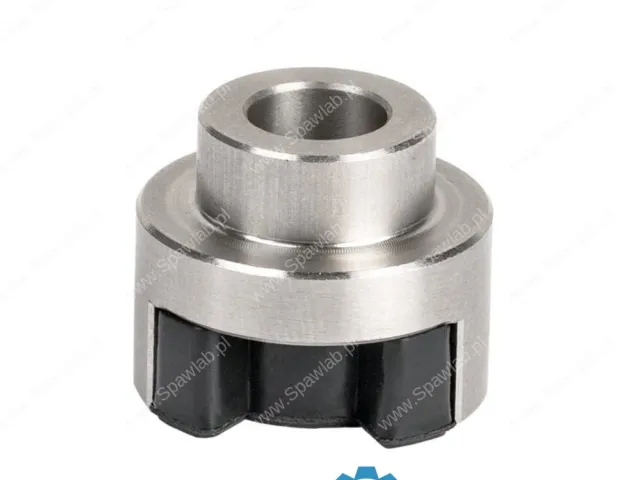
An electrode grinder pays for itself faster than you would think. An electrode ground on an angle grinder has cross marks that scatter the arc and shorten tip life. A grinder guides the electrode along its axis at a set angle, usually 15 to 60 degrees, and gives a repeatable cone, so the arc strikes in the same place and does not wander.
Keep a separate set of tools for stainless steel. A brush previously used on mild steel carries iron particles that later rust on the stainless surface and start corrosion pits. Use stainless wire brushes and separate discs, and store the tools apart, ideally colour coded.
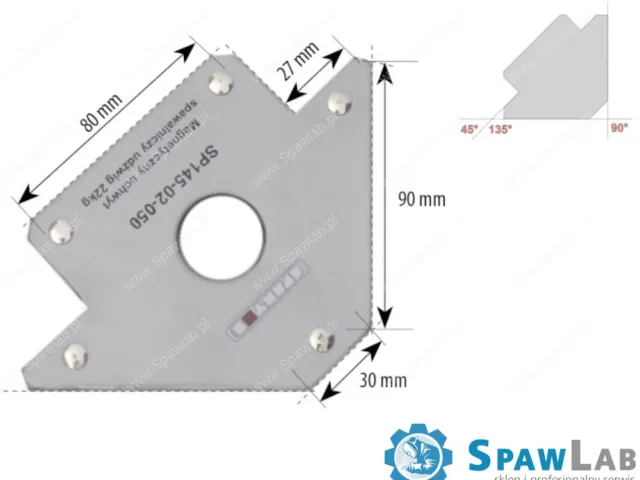
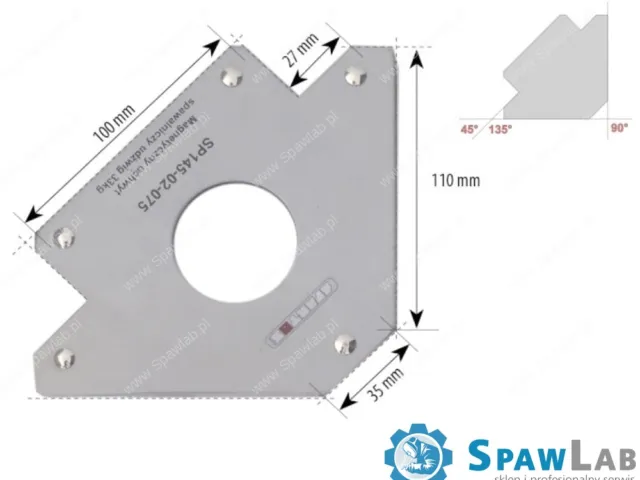
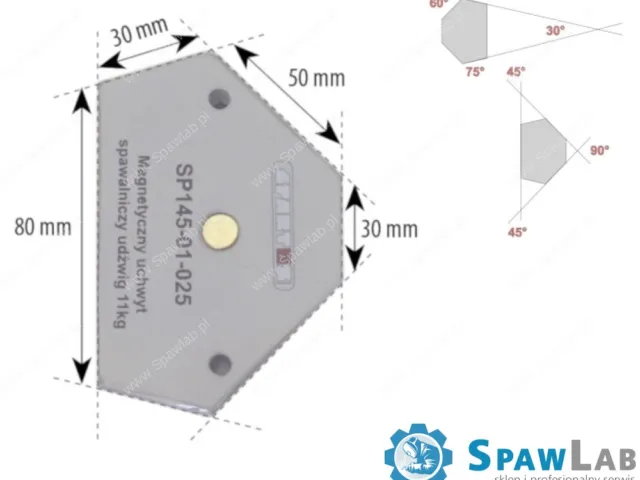
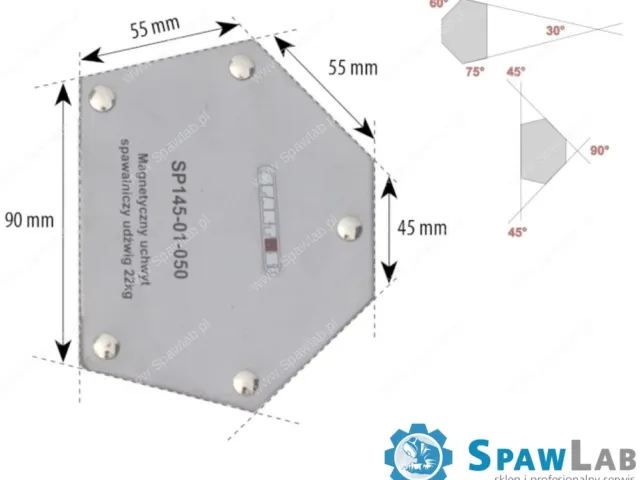
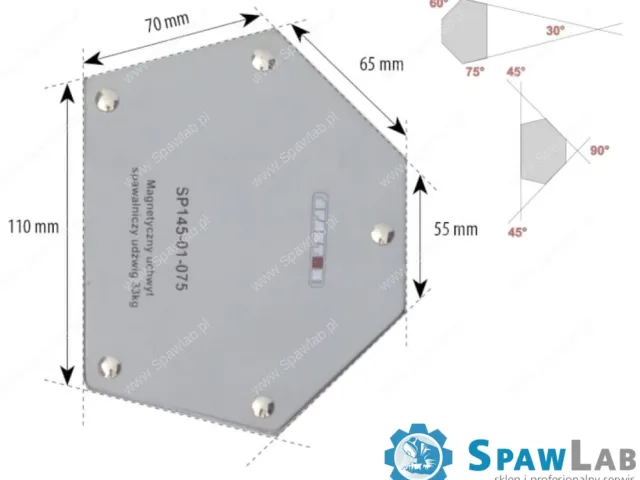
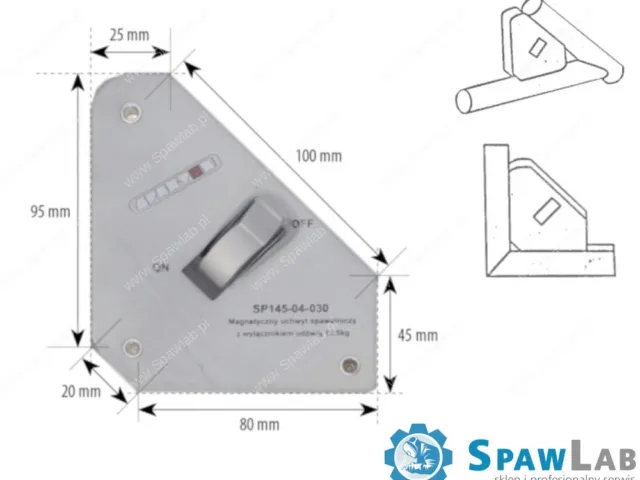
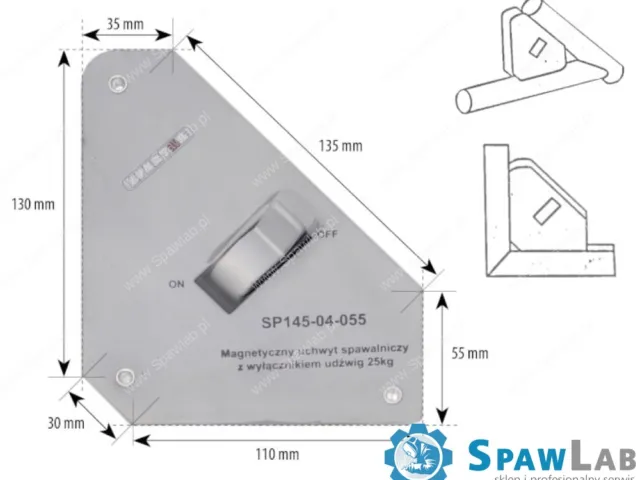
Magnetic holders and squares speed up setting parts. Switchable models with a lever turn the magnet off, so you can remove them without pulling and they do not collect filings on the table. Above 200 A make sure the magnet is not in the earth circuit, because the magnetic field deflects the arc.
A plasma circle cutter turns freehand cutting into a repeatable job. Mounted on the torch with a pivot at the centre, it cuts a circle from tens of millimetres up to a metre without marking out and without a template.
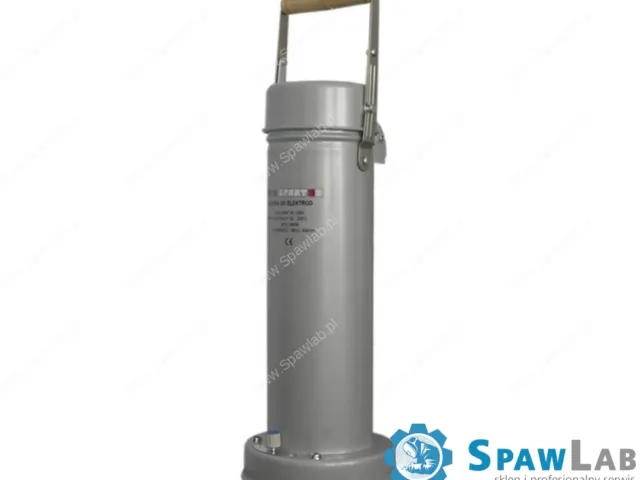
An oven and a quiver are needed for basic electrodes, which absorb moisture from the air. A damp coating gives porosity and hydrogen cracking. Drying follows the maker data sheet, usually 300 to 350 degrees Celsius, with storage at the workstation in a quiver at around 70 degrees.