
Welding fume is dust with particles below 1 micrometre that reaches the alveoli. On stainless steel it also carries hexavalent chromium, classified as carcinogenic, so extraction at the workstation is not a comfort issue but a duty that follows from your risk assessment.
Extraction at source is the most effective. An arm set 20 to 30 cm from the arc captures most of the fume at 800 to 1200 cubic metres per hour. Every 10 cm further away clearly reduces the effect, because suction falls with the square of the distance, so what counts is an arm you can move with one hand and that holds its position.
Match the filter to the material. Class M is enough for mild steel; on stainless steel and chromium nickel alloys class H or IFA W3 is required. A cartridge with automatic compressed air cleaning lasts several times longer than one cleaned by hand, because the dust drops into a drawer as you work.
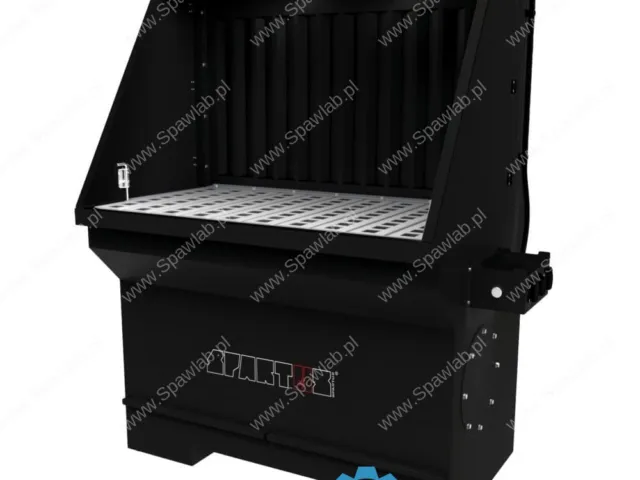
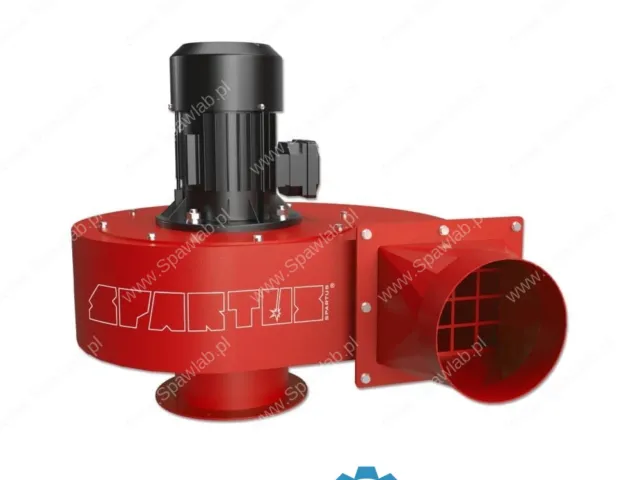
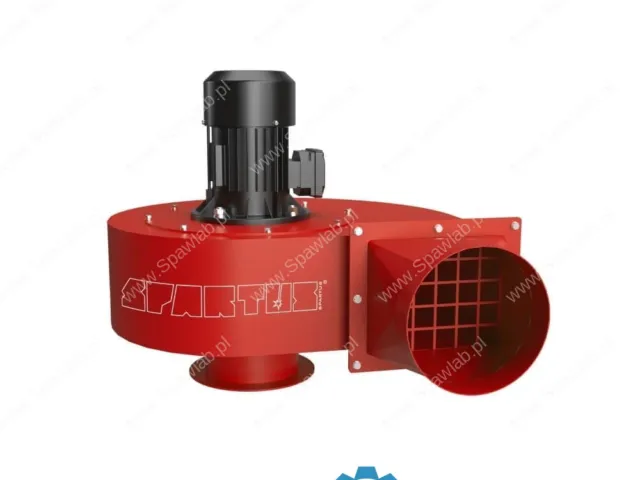
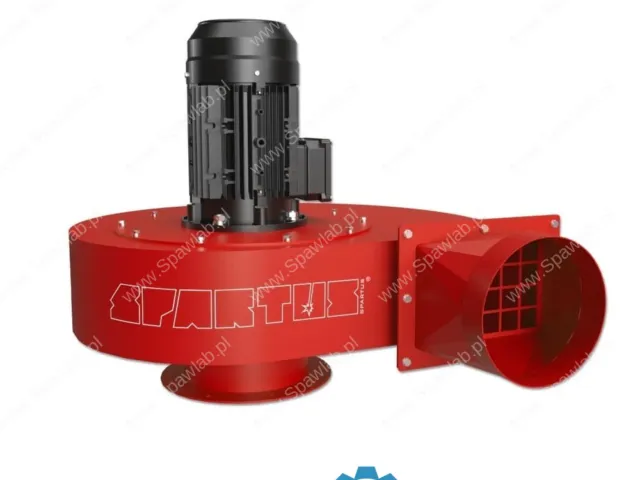
Match the layout to the hall. A mobile filter serves one or two stations and follows the work. A fixed installation with a duct fan pays off from four stations upwards but needs the duct resistance calculated. A downdraft table suits small parts and grinding, because it draws dust below the part and does not disturb the gas shield.