
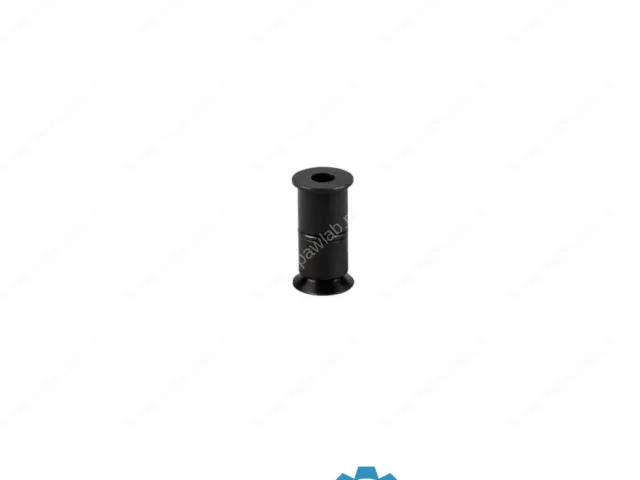
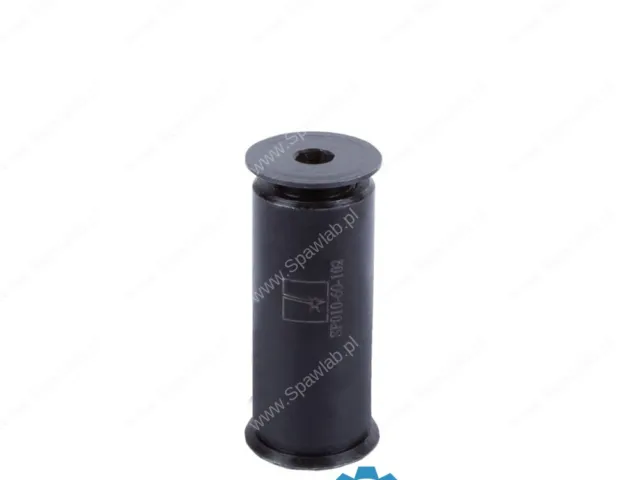
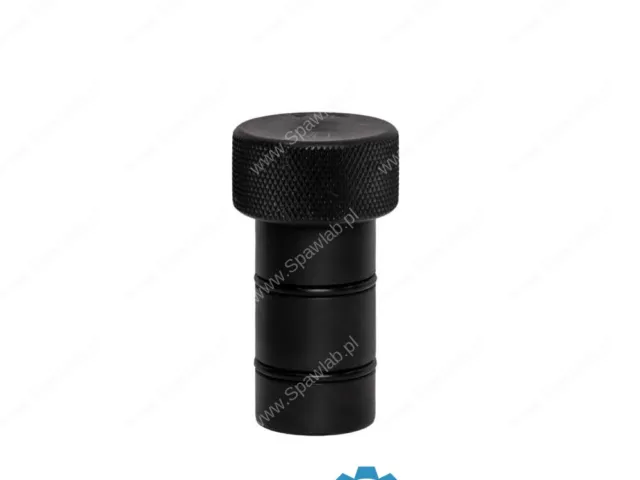
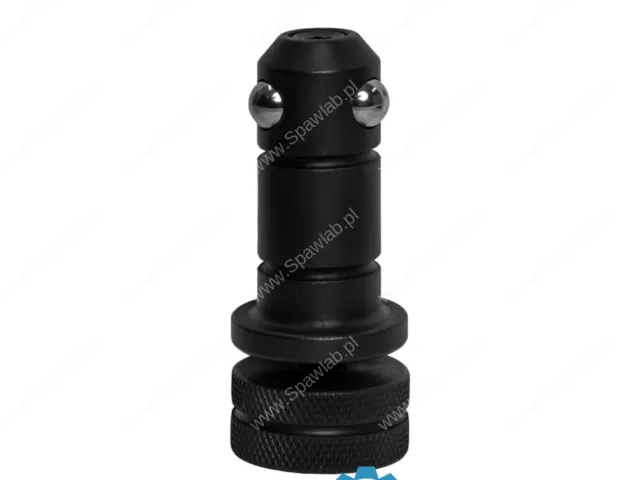
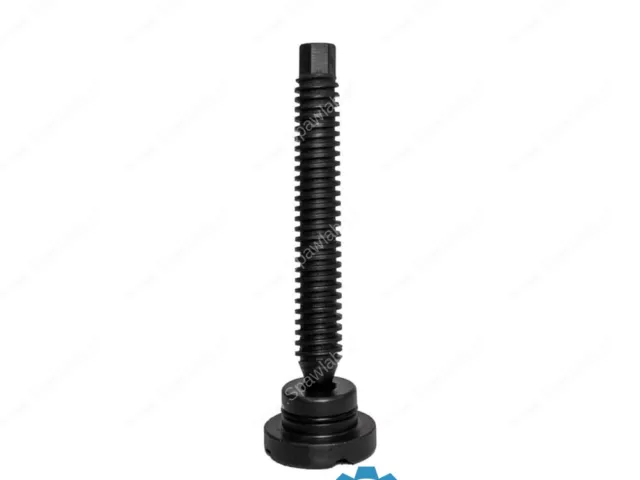
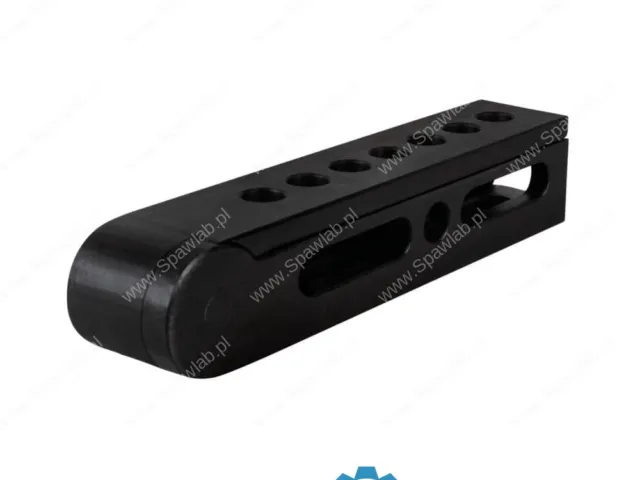
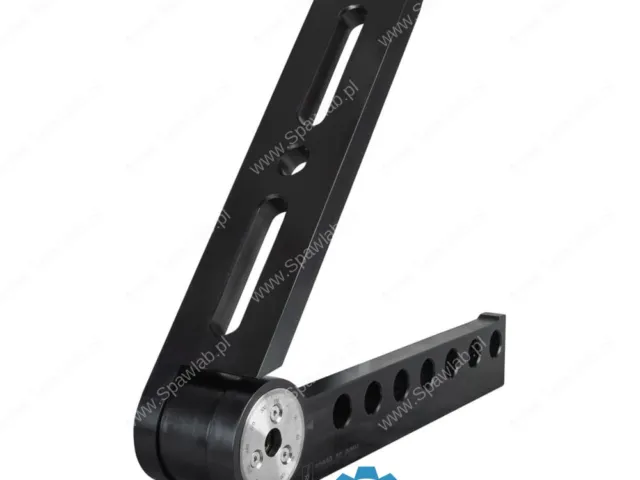
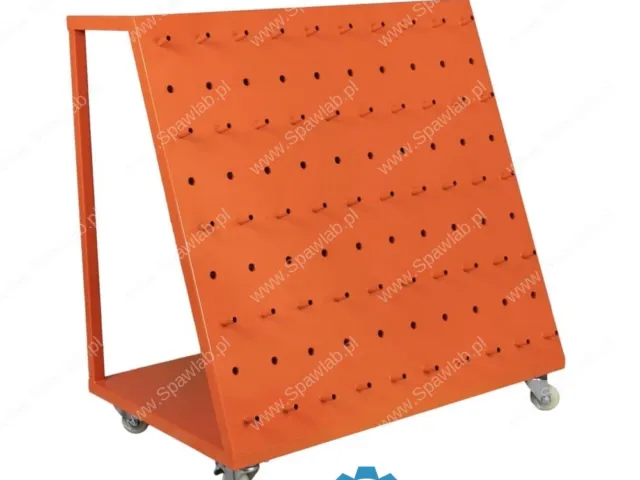
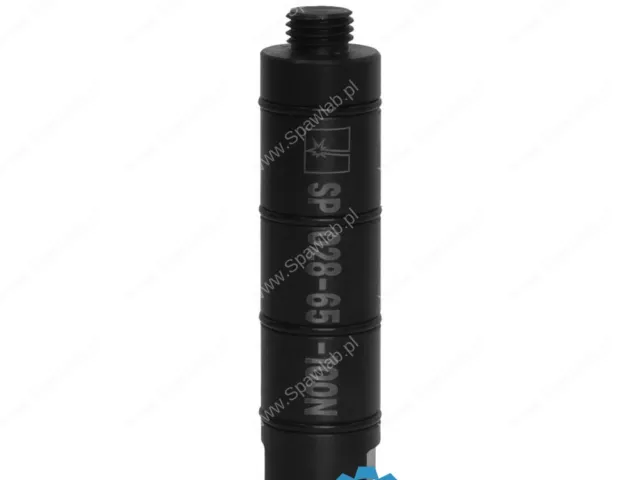
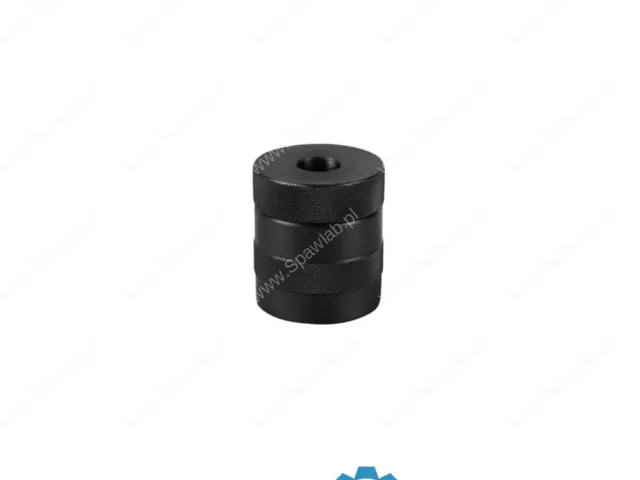
You build table tooling in layers. The base is squares and clamping bolts, which set a right angle and hold the part. Then come quick clamps that hold a part without a third hand, and stops that fix a repeatable position. For pipes you add prisms, for three dimensional structures blocks and bushings.
A starter set of about ten items is enough: four squares, four bolts and two clamps. That covers most frames and gates. Plan the extension around the parts you make most often, not around the catalogue, because tooling is bought once and used for years.
Look at the material and the finish. Nitrided steel parts take spatter better and molten metal does not stick to them, ground faces give a real right angle rather than an approximate one. With clamps, check the clamping force in kilograms and whether the lever can be moved to the other side, because in tight assemblies that often decides usability.
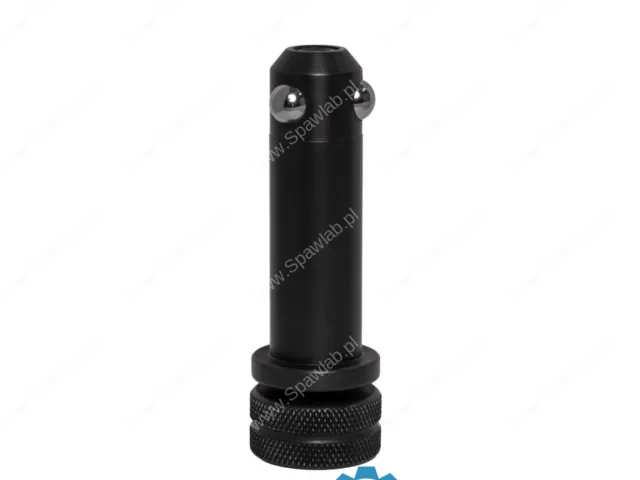
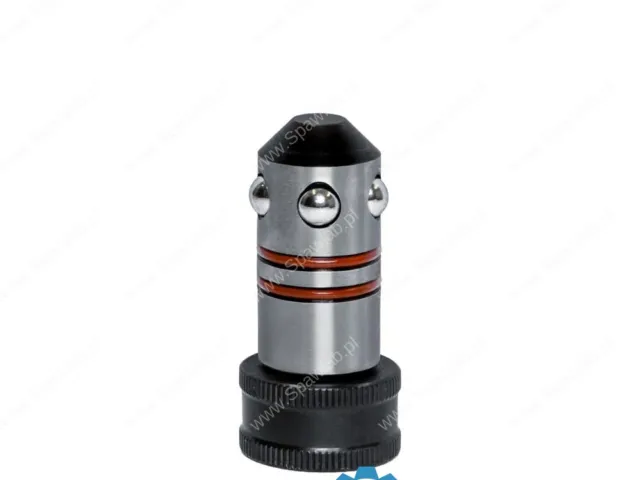
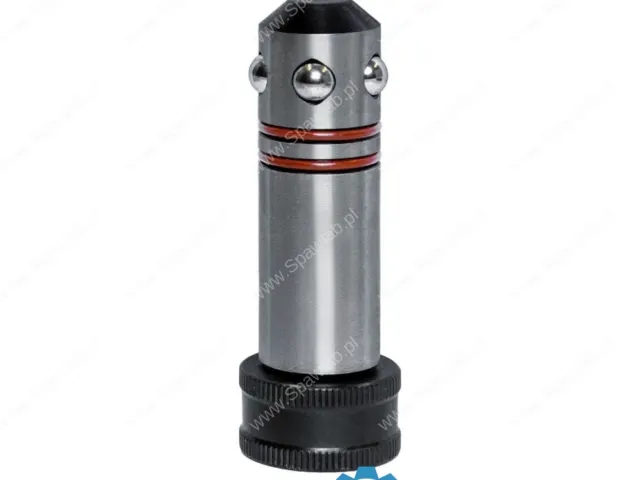
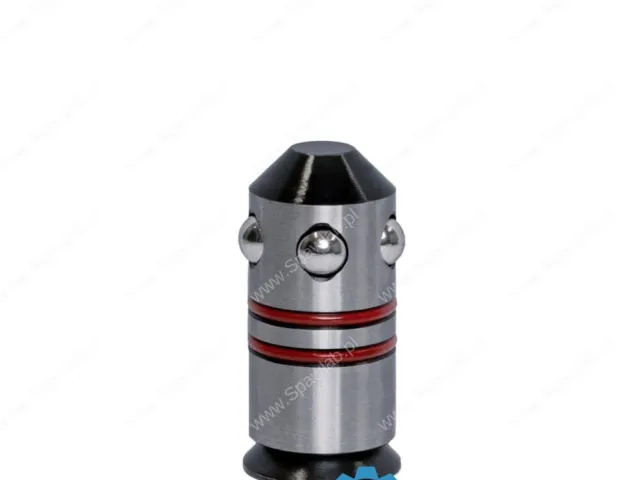
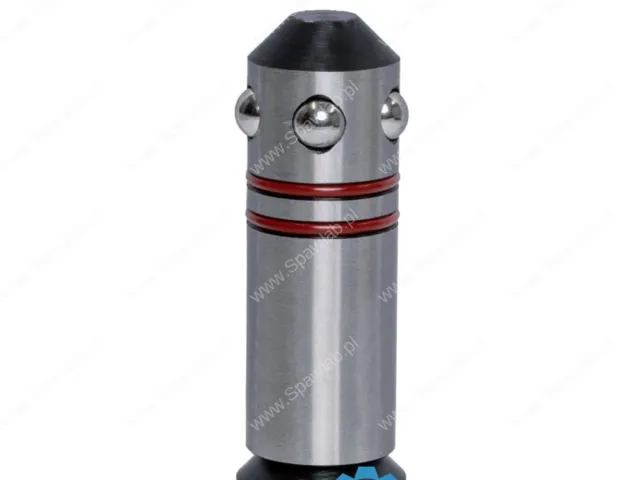
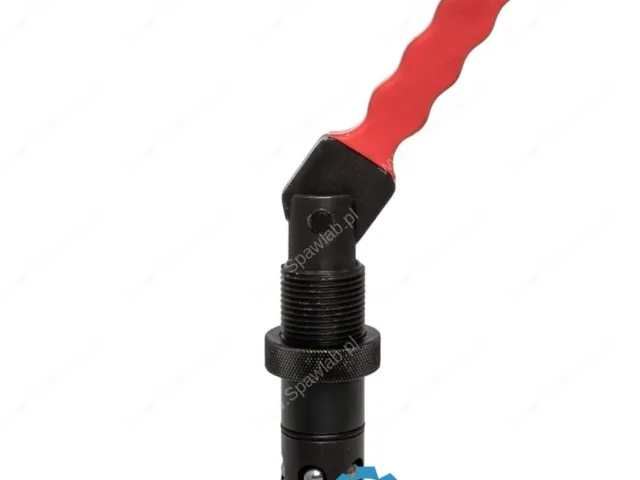
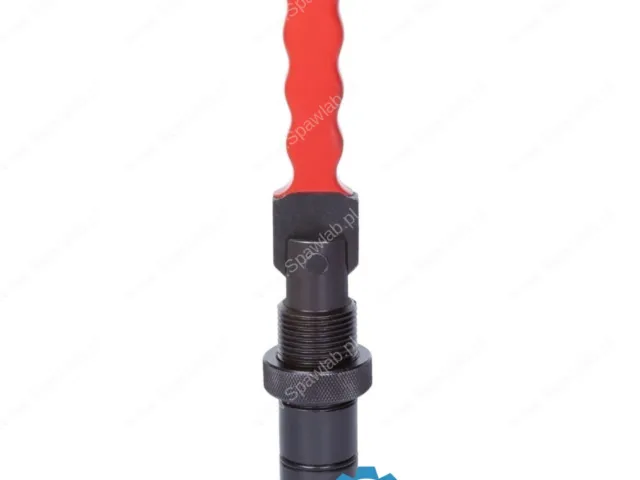
Clamping bolts come with a thread, with a quick release and with an eccentric. Eccentric ones are fastest on repeat production, threaded ones give the highest force on uneven material. Use plugs in holes to protect them from spatter, because a filled hole has to be drilled out and that ruins the fit along the whole row.